A Strategic Approach to Ohio K-12 School Funding: Planning Capital Improvement Projects
September 25, 2026


Architecture | Engineering | Construction
September 25, 2026
Ohio school districts are being asked to do more with less. At the same time, aging facilities and critical systems such as HVAC, roofs, lighting, controls, and security still require attention.
These needs don’t always have the luxury of waiting for budgets to improve.
The challenge for many Ohio school districts is to address critical facility needs without further straining already tight budgets. Luckily, there is a solution, and it starts with a strategic review of available funding and existing facility resources.
When budgets are tight, it can be tempting to focus on the most visible facility problem. But replacing one failing system without understanding the condition of the rest of the district’s facilities can make long-term capital planning more difficult.
A comprehensive facility assessment can help districts understand what needs attention now, what can wait, and what may become a larger expense if it is deferred.
From there, district leaders can prioritize capital improvement projects based on factors such as:
Instead of treating every need as a separate expense, districts can develop a long-term plan that directs limited resources toward the projects with the greatest impact.
Ohio school districts should consider the state’s capital improvement and maintenance 3% set-aside as part of that plan.
Under Ohio law, qualifying school districts must establish a fund for capital improvements and maintenance (Ohio Revised Code 3315.18). One method requires districts to deposit an amount calculated using 3% of the prior year’s statewide average base cost per pupil multiplied by the district’s previous-year enrollment. Ohio law also provides an alternative calculation method based on prior-year base revenue.
These funds are specifically intended for the acquisition, replacement, enhancement, maintenance, or repair of permanent improvements.
Rather than viewing the set-aside simply as an annual requirement, districts can incorporate those dollars into a broader capital improvement strategy.
For example, a district may identify several improvements that need to occur over the next five years and determine how to strategically allocate its available capital funds over time. Because unused set-aside funds can be carried forward, districts may also have opportunities to plan for larger future needs rather than approaching each year’s projects independently.
The goal is not simply to spend available capital dollars. It is to make sure those dollars support the district’s highest priorities.
Another way to stretch limited funding is to prioritize facility improvements that can lower ongoing operating expenses.
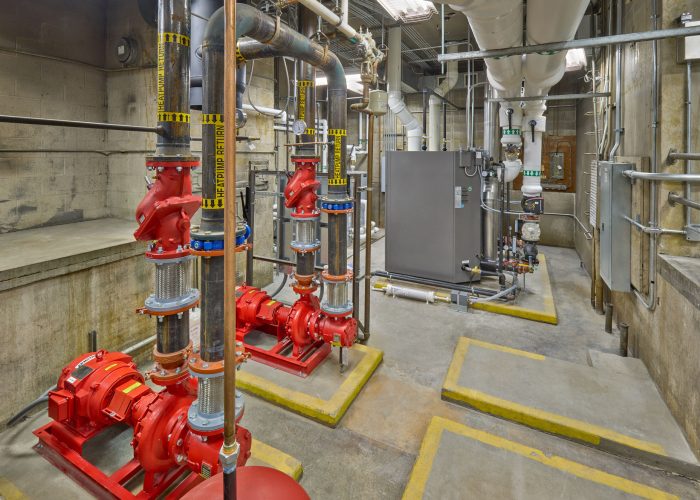
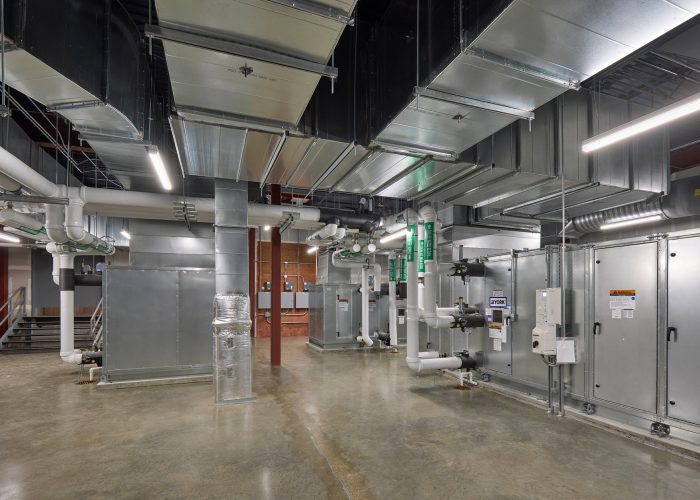
Aging HVAC equipment, inefficient lighting, and outdated building controls, for example, may create both a capital need and an opportunity for long-term savings. When districts evaluate energy and maintenance costs alongside equipment condition, they can identify improvements that address infrastructure needs while potentially reducing future expenses.
Districts may also consider whether projects can be bundled together. Addressing multiple improvements through a single coordinated capital program can help leaders evaluate the overall financial impact rather than completing isolated projects year after year.
The 3% set-aside is not the only resource available for Ohio school capital improvements.
Depending on the project and district, funding strategies may include permanent improvement funds, local funding, grants, financing options, or approaches that use guaranteed energy and operational savings to help pay for facility improvements.
There is no single funding strategy that will work for every Ohio school district. The right approach depends on the district’s existing resources, facility conditions, priorities, and long-term financial outlook.
That is why identifying funding options should happen alongside facility planning—not after a project has already been defined.
Funding uncertainty does not eliminate the need to maintain school facilities. It makes planning even more important.
A strong capital improvement plan gives Ohio school leaders a clear picture of what their facilities need, what should happen first, and what resources may be available to accomplish the work. It can also help districts adjust when budgets, enrollment, construction costs, or funding opportunities change.
For districts navigating today’s Ohio education funding environment, doing more with less does not necessarily mean completing fewer projects. It means being more intentional about which projects move forward, when they happen, and how they are funded.
By connecting facility needs with available capital resources, districts can make informed decisions today while preparing for their buildings’ needs tomorrow.
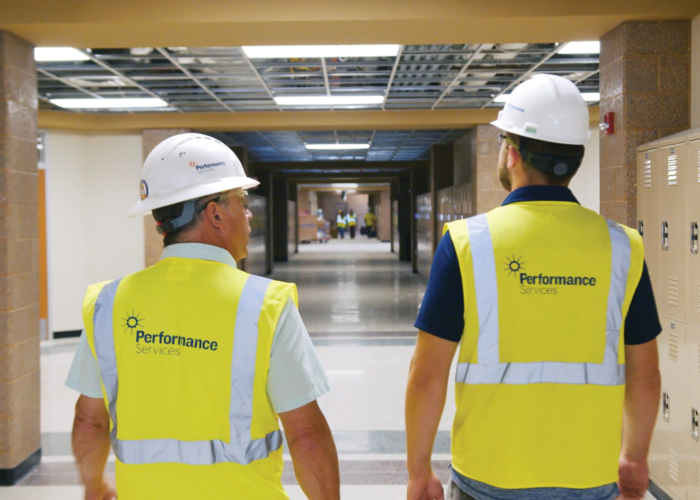
Interested in understanding your district’s facility needs? Schedule a no-obligation facility assessment. Our team will evaluate your school buildings and help you identify and prioritize projects based on what needs attention now and what can be planned for the future.