

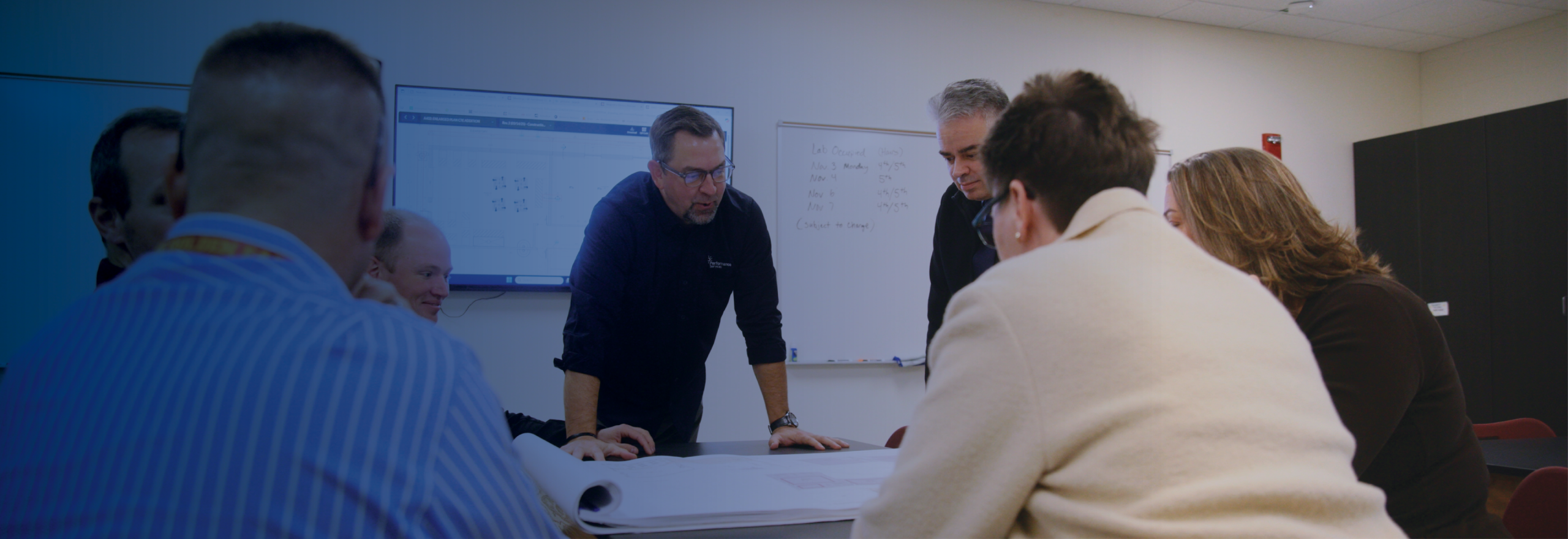
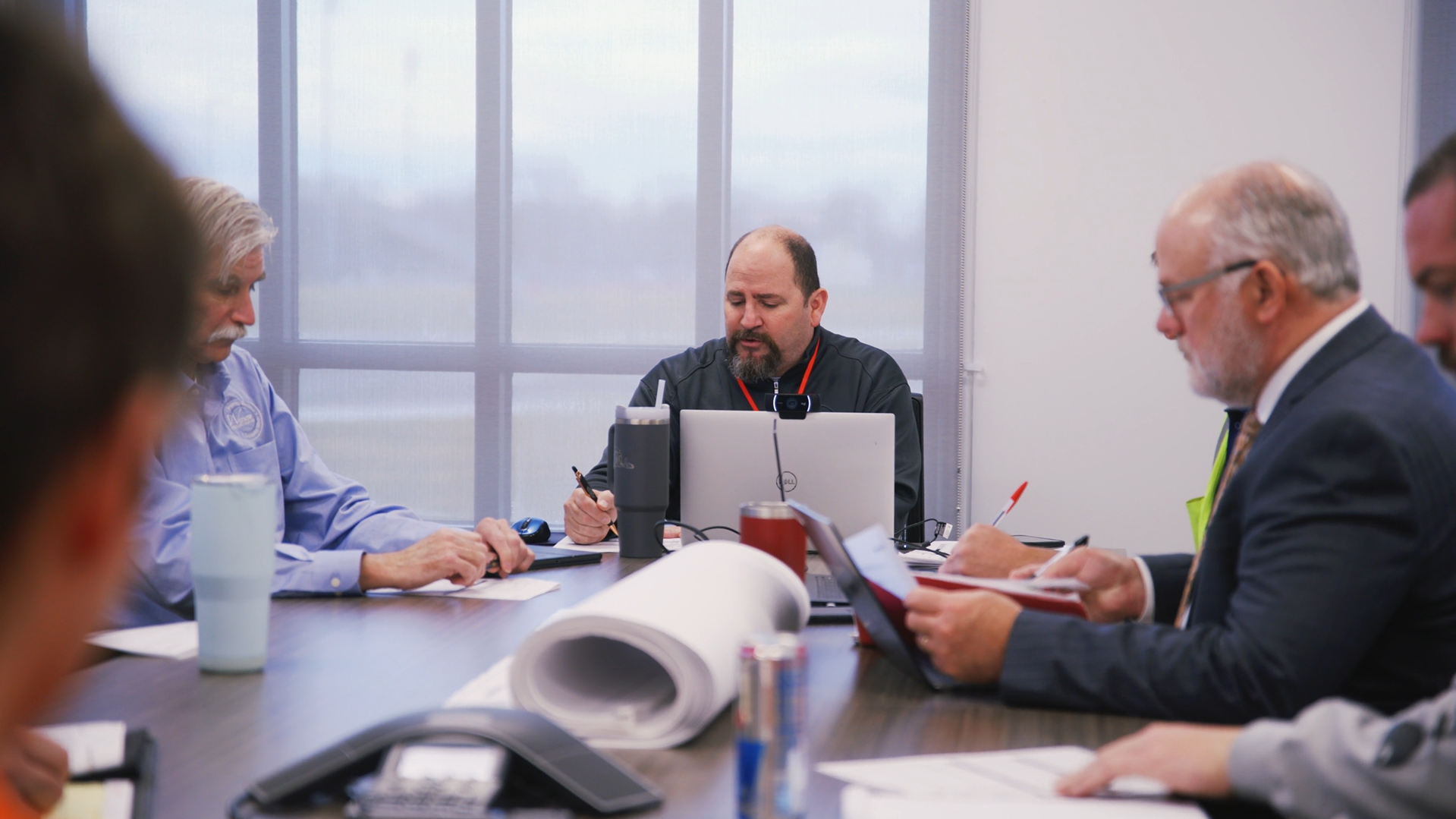
A Thoughtful Approach to Public Investment
Master planning helps community leaders make informed decisions so community needs are met without wasting time or taxpayer dollars.
Schools and municipalities make facility decisions that shape communities for decades. Yet many organizations are forced to plan reactively: responding to growth, aging buildings, or funding opportunities without a clear long-term strategy.
Our master planning services provide a comprehensive, forward-looking roadmap. The master plan aligns physical infrastructure with goals, growth trends, operational needs, and community vision for the next 5–20+ years.
It’s Challenging to Plan for the Future Without the Full Picture
A master plan is a long-range planning document that helps schools and municipalities make smart facility decisions over time.
Without a master plan, infrastructure decisions can feel disconnected and difficult to defend. A strong master plan replaces uncertainty with alignment and long-term vision. If you’ve asked any of these questions, a master plan is a step in the right direction:
- Where should we invest limited capital first?
- How will enrollment change over time?
- Should we renovate, expand, consolidate, or build new?
- How do facilities support educational outcomes and community use?
- How do we phase projects responsibly over many years?
Master Planning Made Easy
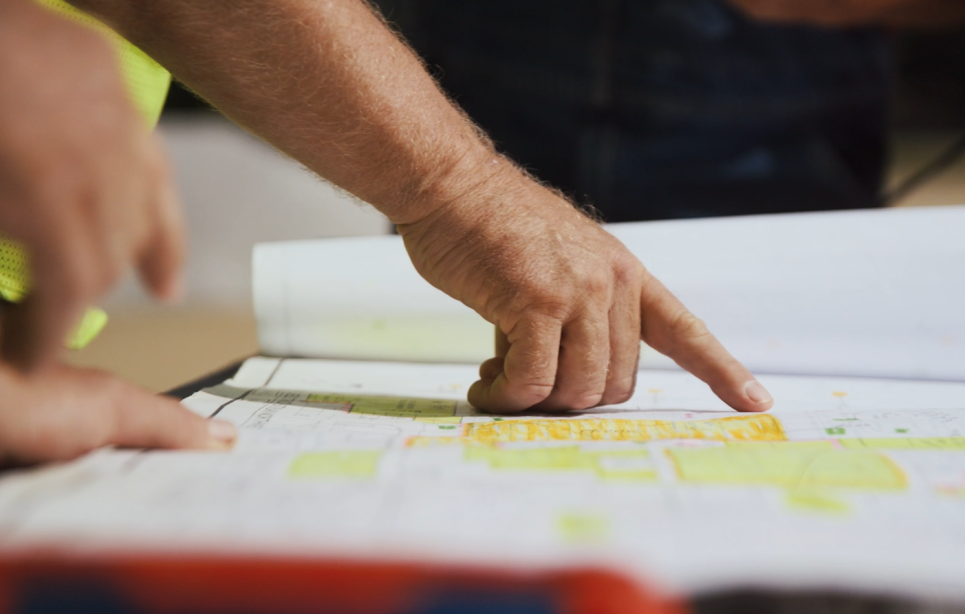
Our role is to help you see the full picture and understand how today’s decisions shape tomorrow’s outcomes.
We can help you:
- Align physical infrastructure with educational or operational goals.
- Anticipate enrollment/population growth or decline.
- Identify where renovation, expansion, or new construction makes sense.
- Map building locations, site use, and campus layout.
- Plan infrastructure upgrades, system improvements, and energy conservation measures.
- Establish a phased approach that matches funding realities.
A Simple, Owner-Focused Approach
We follow a collaborative process designed to produce a plan you know how to execute.

Listen and Align
We start by understanding your goals, challenges, and community priorities so the plan reflects what matters most.
Assess What You Have
We evaluate existing facilities, sites, and infrastructure to ground recommendations in reality.
Explore Options
We develop and compare planning scenarios, helping you understand tradeoffs before decisions are made.

Create a Roadmap
We deliver a master plan that outlines recommended projects, sequencing, and phasing over 5–20+ years—built to adapt as conditions change.
A Plan That Reduces Risk Over Time
A strong master plan helps protect owners from short-term decision-making that creates long-term problems. It provides continuity through leadership changes and gives boards and communities confidence that facility investments are thoughtful and intentional.
Rangely School District
"Performance Services was selected to partner with the district for this project. Their proposal stood out for its strong alignment with our goals, a thorough understanding of our unique needs, and a well-crafted plan for successful execution. In addition, they bring a proven track record of success on similar initiatives, supported by outstanding references. "
Matt Scoggins
Superintendent
Related Project
Tipton County
"The progressive design-build process has been very smooth and interactive. The communication and working relationship with Performance Services has been excellent. I'm confident that we have a design that meets all our program needs, is innovative, highly efficient, within our budget, and will reduce ongoing operating costs."
Tony Frawley
Former Tipton County Sheriff
Related Project
Fennimore Community School District
"The Performance Services team reached out on a regular basis to ensure we are satisfied with the project. The design-build process allows for accurate price guarantees and alleviates the financial concerns for our district. Communication is excellent with administration, staff, and the school board. We love that all services are under one umbrella. Performance Services ensured that all key players and input in the project and their voice was valued. No change orders ensured that we were on budget and was appreciated by our tax payers. Honesty and transparency are valued by Performance Services to ensure excellent services to our district. I look forward to working with the their team on our referendum project."
Jane Wonderling
District Administrator
Related Project
Griffith Public Schools
"Performance Services has a willingness to adapt to our district needs and wants. Their whole team works with us on every, single detail of a project! They go above and beyond to ensure our district needs are met. Their team is quick to respond to any changes along the way without hesitation."
Leah Dumezich
Superintendent
Let’s Create a Clear Path Forward
If your organization is facing growth, aging facilities, or long-term uncertainty, a master plan can provide the clarity needed to move forward responsibly.
Let’s build a plan that helps you make effective decisions—today and for years to come.
Frequently Asked Questions
-
01
1
What are the characteristics of a successful energy master plan?
Energy master planning is an important aspect of proactive facilities management, providing an expertly defined and practical roadmap to a sustainable future and campus environment. Characteristics of a successful energy plan include:
- Input from administration, facility staff, and faculty
- Not just an energy audit, but a specific implementation plan
- Includes both supply and demand-side requirements
- Builds upon a record of the past and a blueprint for the future
- Impact of behavior modification
-
02
2
What should be considered when developing an energy strategy?
When considering an energy master plan strategy, keep the following in mind:
- Benchmark your buildings energy consumption for all utilities
- Identify your energy and carbon baseline
- Determine your projected growth plans
- Identify energy growth restraints
- Examine reliability
- Identify performance areas related to process, operations, controls platform and maintenance