

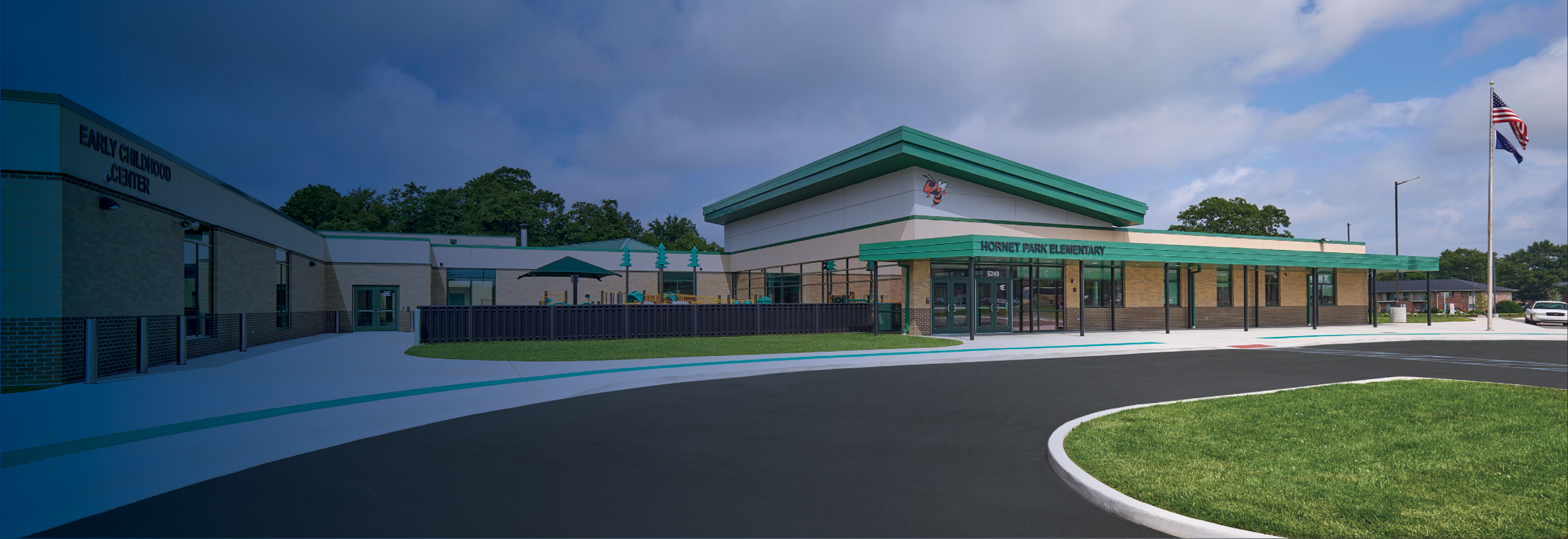
Planning Built Around Your Students and Community
K-12 project planning should reflect the unique needs of your students and community, not a one-size-fits-all solution.
Making facility decisions for a school district means shaping how students learn, how teachers teach, and how communities invest in the future. Those decisions carry long‑term implications, and they shouldn’t begin with drawings or construction schedules.
We help K–12 leaders clearly define their districts’ needs and priorities before the design process begins. Educational planning aligns a district’s instructional goals with the facilities and learning environments needed to support student success. Through comprehensive, program-driven reporting, we provide a clear, defensible roadmap that connects educational vision with the physical space.
Our Approach to Educational Planning
Our in-house educational planners collaborate closely with our architects and engineers to ensure that educational priorities drive facility decisions from the very beginning. This integration eliminates disconnects between programming, design, and long‑term performance.
Our educational planners serve as your guide, helping to translate educational goals into clear, practical facility solutions. Our process provides districts with a thorough, data‑driven understanding of current conditions and future needs, as well as strategic academic planning services.
Our Educational Planners Examine and Document:

Educational Needs and Curriculum

Enrollment and Growth Capacity

Learning Environment Evaluation
Safety, Accessibility, and Compliance

Technology and Future Readiness

Community and Shared-Use Spaces

Site and Traffic Flow
Special Education and Support Spaces
Meet our Educational Planning Experts
Our educational planners bring real‑world K–12 experience and a deep understanding of how facilities impact teaching and learning. They work closely with district leadership, educators, and user groups to plan educational facilities. They also collaborate with our in-house architects and district stakeholders to develop space needs and requirements, evaluate the educational adequacy of design solutions, and ensure facilities support instructional goals.
Throughout the process, Performance Services’ educational planning consultants participate in planning committee sessions and, as requested, support school board meetings by providing updates and sharing relevant educational trends to build alignment and confidence.


Planning that Leads to Better Outcomes
Educational planning services aren’t just about buildings. It’s about how your community teaches, learns, and grows. When your planning is aligned with your district’s academic goals, architectural design and construction become tools to realize your vision.
There are many benefits associated with educational planning:
- Reduces costly changes later in design and construction.
- Ensures facilities truly support instructional goals.
- Strengthens board and community confidence.
- Creates alignment across educators, administrators, and designers.
Most importantly, educational planning ensures that future facilities serve students, not just square footage.
Whether you’re preparing for a bond referendum, developing a master plan, or exploring your options, our team is here to support you.

Hico ISD
"The team has done outstanding work on the vestibule building project. Despite facing delays with some building materials, we have been impressed by how diligently and efficiently the Performance Services team has worked. The commitment to maintaining a clean and organized workspace stands out the most to me, especially this week that we've had staff back on campus and no interruptions have been faced. Thank you for your continued hard work and exceptional management of this project."
Carmen Sandia
Business Manager

Wisconsin Heights School District
"Our transition to a newly constructed elementary school, a renovated middle/high school, and a combined campus is truly remarkable for Wisconsin Heights. The educational process is a partnership involving students, parents, faculty, and the community. I believe that we have the shared value of wanting students in the District to enjoy an education that is second to none. The completion of this project is another demonstration of Vanguard Pride!"
Dr. Jordan Sinz
Former District Administrator
Related Project
Griffith Public Schools
"Performance Services has a willingness to adapt to our district needs and wants. Their whole team works with us on every, single detail of a project! They go above and beyond to ensure our district needs are met. Their team is quick to respond to any changes along the way without hesitation."
Leah Dumezich
Superintendent

Fennimore Community School District
"Excellent services with open lines of communication. Performance Services welcomes and requests that all parties who will use the facility to provide input. They value the voice of school personnel, and as a result have developed a trusting relationship with employees, administration, and the school board. In addition, they will seek out local contractors to involve the community and build relationships. I look forward to our next referendum project. This $17 million project was successful because of the partnerships and trust of Performance Services, Baird finance, and our school district."
Jane Wonderling
District Administrator
Related ProjectFrequently Asked Questions
-
01
1
When should a district start the educational planning process?
Ideally, before major decisions are made, such as renovations, new construction, or bond planning. Planning is especially valuable when:
- Facilities are aging or overcrowded
- Enrollment is changing
- Academic programs are evolving
- Capital funding is being considered
-
02
2
Who should be involved in the planning process?
Effective educational planning includes input from key stakeholders. This collaboration ensures plans are realistic, inclusive, and well-supported.
- District leadership and school boards
- Teachers and staff
- Students (when appropriate)
- Community members
-
03
3
What is the difference between a facility study and educational planning?
Educational planning focuses on defining a district’s long-term vision for teaching and learning. It examines enrollment trends, academic programs, and student needs to determine what types of learning environments are required to support future success. The outcome is a strategic roadmap that helps districts prioritize decisions and align resources with educational goals.
Facility studies, by contrast, evaluate the physical condition and performance of existing buildings. They assess systems such as roofs, HVAC, and electrical infrastructure to identify maintenance needs, remaining useful life, and associated costs. When used together, educational planning sets the direction, while facility studies provide the technical data needed to implement that vision—ensuring facility investments directly support student learning.