Why K-12 Districts Are Investing in Modern Athletic Complexes
May 28, 2026


Architecture | Engineering | Construction
May 28, 2026
Across the country, school districts are rethinking the role athletic facilities play on campus. What were once single-purpose spaces are evolving into multi-use environments designed to support student wellness, year-round programming, and stronger community engagement.
Modern athletic complexes are no longer just about competition. They are strategic investments that help districts improve student experiences, increase facility flexibility, and create spaces that serve both schools and their communities.
Many K-12 schools are working with spaces that weren’t designed for today’s expectations. Increased student participation, expanded programming, scheduling constraints, and safety concerns are prompting schools to rethink how their athletic spaces operate.
At the same time, athletic spaces are among the most heavily used areas on campus. When they’re limited or outdated, it impacts more than just sports—it affects PE classes, extracurriculars, and even student morale.
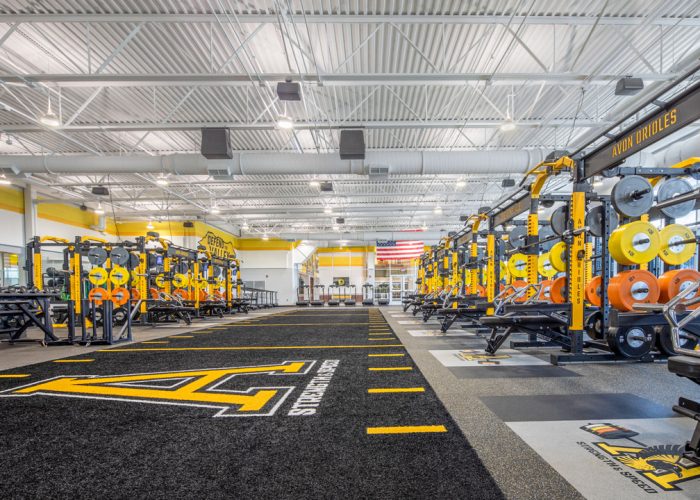
In response, districts are investing in athletic complexes that support multiple uses throughout the day. Instead of single-purpose gyms or fields, schools are creating flexible spaces that support strength training, practice, physical education, and community events.
Avon Community School Corporation embraced this evolving approach, recognizing the long-term value of multi-use athletic facilities.
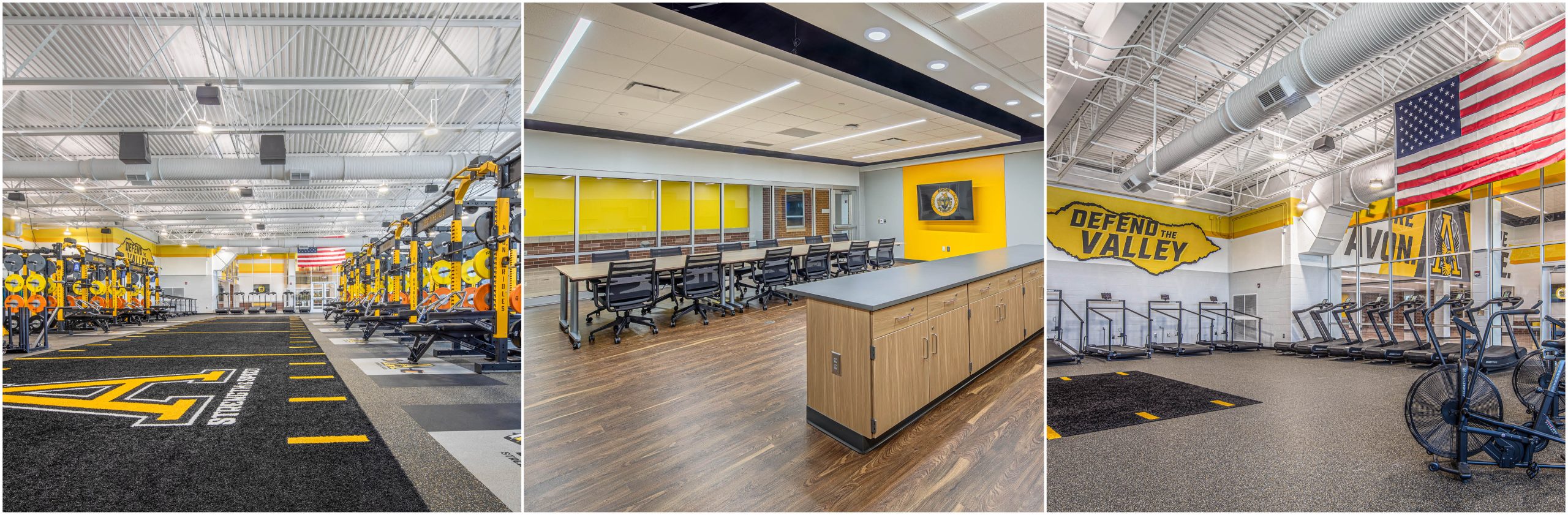
The overall school environment increasingly influences how students and families perceive a district. While academics remain the top priority, facility quality can shape school pride, student participation, and community confidence.
Modern athletic spaces help support student-athlete performance while also creating safer, more functional environments for all students. Updated facilities can improve scheduling flexibility, expand access to programs, and encourage greater participation in school activities.
For districts operating in competitive enrollment environments, facility investments can also support student retention and community growth. Well-designed spaces demonstrate a long-term commitment to students, programming, and the district’s future.
Projects like the Mooresville Schools Pioneer Pavilion illustrate this shift. The addition of a multipurpose fieldhouse, updated fitness areas, and improved campus connectivity created more spaces for programs, students, and staff.
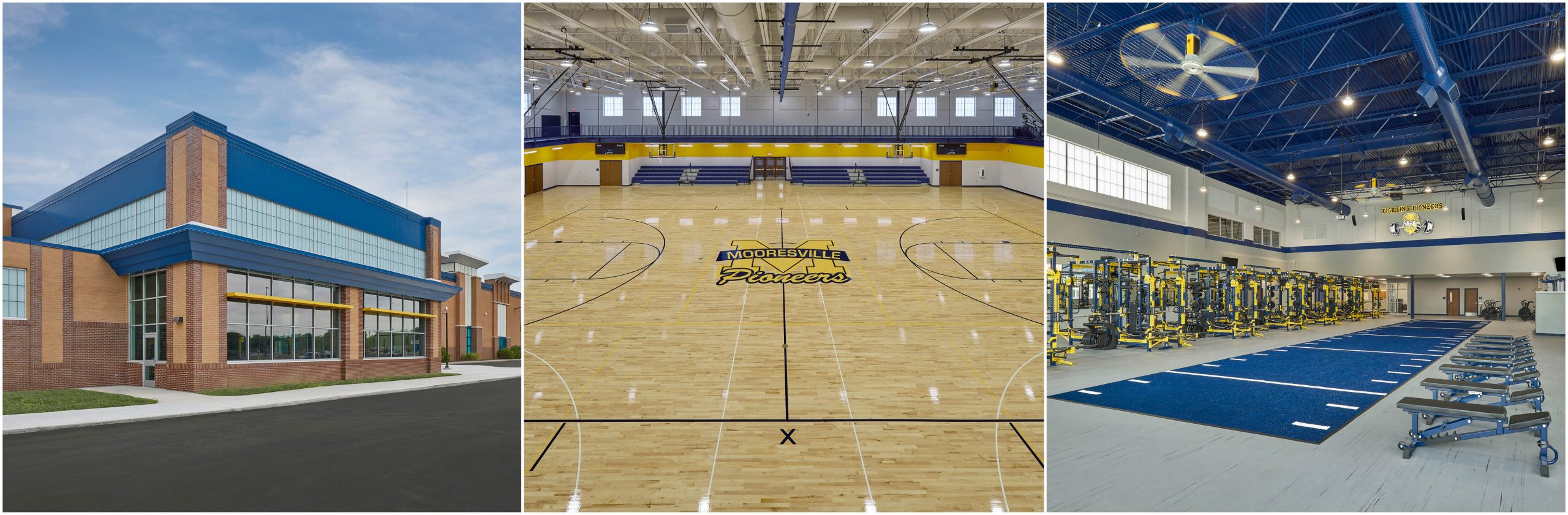
Weather conditions can significantly impact athletic programming and outdoor training schedules. As a result, more districts are incorporating indoor or covered practice facilities into long-term planning efforts.
These spaces are designed to do more than provide weather protection. Modern athletic complexes often support a wide range of uses, including physical education classes, team practices, strength and conditioning programs, student activities, and community events. This flexibility is one reason districts are moving beyond isolated facility upgrades and taking a more comprehensive planning approach.
If you are wondering what you could do with your current space, reach out for a no-obligation facilities assessment.
School facilities are some of the most visible public assets. Athletic complexes, in particular, tend to draw consistent use from students and community members.
When intentionally designed, these spaces can host youth programs, tournaments, camps, meets, and community events, increasing facility utilization and strengthening local engagement. Expanded access also helps reduce scheduling bottlenecks while creating more opportunities for students and community organizations to use the facilities.
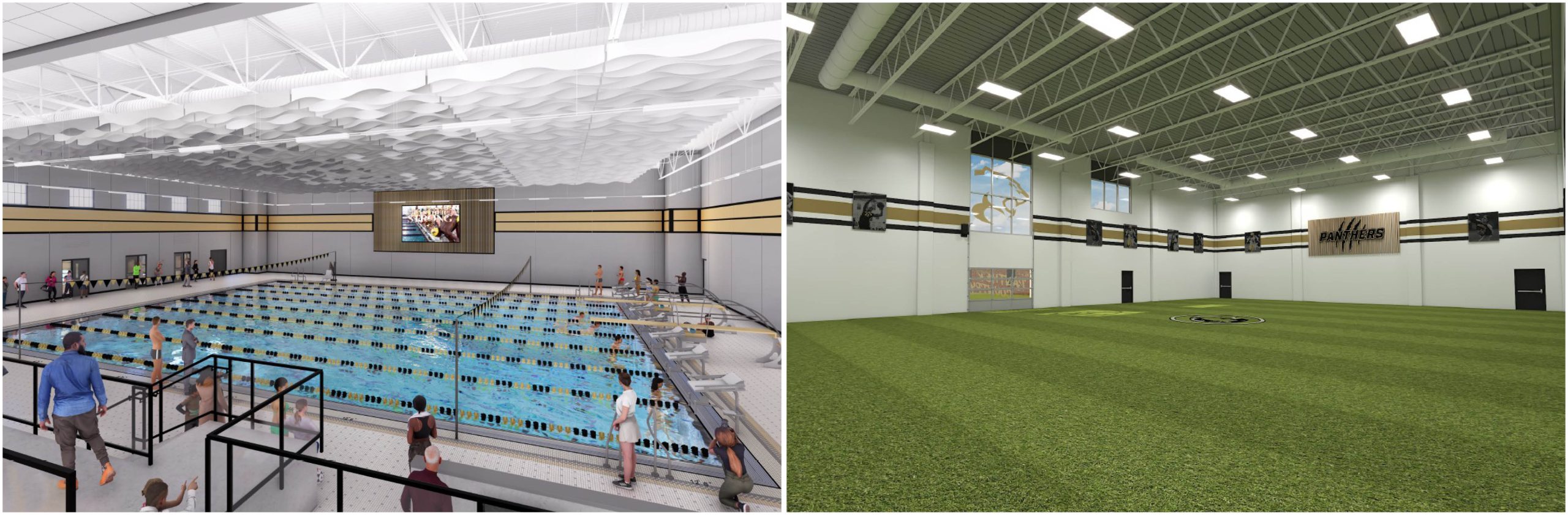
Griffith Public Schools is a strong example of this, as the district is investing in athletic and aquatics programs. These upgrades reflect a broader commitment to enhancing student opportunities while creating modern spaces that can support community activities for years to come. Check out the project’s renderings below.
Athletic facility projects require careful financial planning, but many districts are approaching these investments differently than they have in the past.
Rather than treating athletic upgrades as standalone projects, schools are integrating them into larger facility improvement plans. Broader facility improvement strategies can include energy efficiency upgrades, infrastructure improvements, and deferred maintenance.
This approach allows districts to stretch budgets further and avoid piecemeal upgrades that don’t fully solve the problem. Through a collaborative design-build process, districts can establish budgets early, have cost certainty, and align improvements with long-term goals.
Investing in athletic complexes is less about keeping up appearances and more about making strategic investments that support student development, operational flexibility, and community engagement.
With thoughtful educational planning and the right delivery approach, districts can create athletic spaces that serve students, staff, and communities for decades to come.
Interested in exploring improvements to your district’s athletic facilities? Connect with our team to start the conversation.
Let’s take your school district’s athletics to the next level.