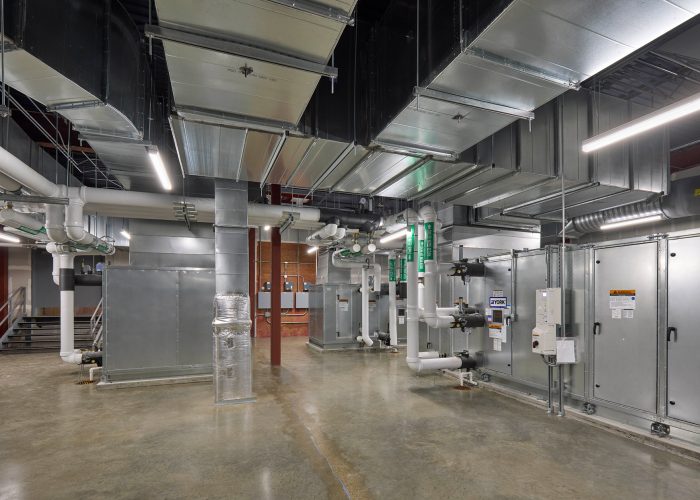
What are the advantages and disadvantages of combined heat and power (CHP) systems?
A combined heat and power (CHP) system, also known as cogeneration, simultaneously generates electricity and captures usable heat from a single energy source. High-efficiency CHP systems can reduce energy costs, improve reliability, and maximize energy efficiency compared to conventional systems that produce electricity and heat separately.
The key advantages of combined heat and power systems include:
- Reduced energy costs: CHP systems can lower utility expenses by generating electricity on-site and using recovered heat for heating and other thermal needs.
- High energy efficiency: By capturing heat that would otherwise be wasted, CHP systems can achieve total system efficiencies of 65% to 80% or higher, depending on the technology and operating conditions.
- Potential capital cost savings: CHP systems can be incorporated into new construction or major HVAC upgrades, potentially reducing the need for separate heating equipment.
- Improved energy reliability: CHP systems designed for island operation can help critical facilities maintain essential services during power outages.
- Protection against fluctuating energy prices: On-site electricity generation can reduce reliance on purchased electricity and help facilities manage long-term energy costs.
What are the disadvantages of CHP systems?
While CHP offers significant benefits, facilities should also consider the initial installation costs, ongoing maintenance requirements, fuel costs, and the need for consistent electricity and heating demands. The financial benefits depend on facility size, energy consumption, and local utility rates.
For hospitals, universities, and other facilities with substantial, consistent energy needs, a properly designed CHP system can provide long-term energy savings, operational efficiency, and improved reliability.