Outdoor Lighting: The Unexpected Benefits of Upgrading to LED Lights

Phil Yuska Headshot, Director of Engineering at Performance Services
Authored By: Phil Yuska Director of Engineering
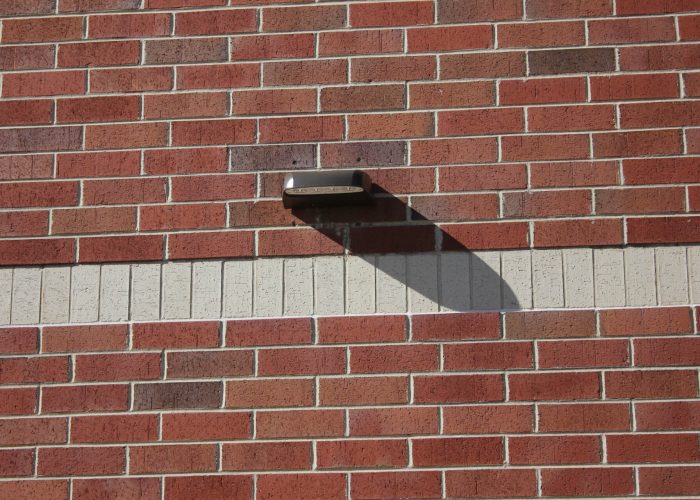
Outdoor LED light fixture on a brick building

LED lighting is transforming not just indoor environments, but outdoor spaces across schools, universities, and municipalities. With unmatched energy efficiency, long lifespan, and minimal maintenance requirements, LED outdoor lighting solutions are becoming the preferred choice for campuses, parks, parking lots, and public infrastructure.

Compared to traditional incandescent, fluorescent, halogen, and CFL bulbs, LEDs consume significantly less energy while delivering brighter, more consistent illumination—making them ideal for energy-efficient outdoor lighting upgrades.

What Are the Benefits of Outdoor LED Lights?

For schools and public facilities, LED lighting offers many benefits. For instance, site LED lighting enhances safety and visibility in high-traffic areas like walkways, parking lots, athletic fields, and building perimeters. Modern LED outdoor lighting systems also support smart controls, including motion sensors, dimming, and remote monitoring.

Additionally, these are also key components of smart street lighting. These capabilities not only reduce operational costs but also advance sustainability goals by lowering carbon emissions and reducing light pollution.

It is clear that LEDs offer superior light quality, improving visibility and security while supporting dark-sky compliant outdoor lighting design. Whether upgrading outdated systems or planning new construction, LED lighting provides a reliable, cost-effective, and environmentally responsible solution.

Why Install LED Lighting in Exterior Fixtures?

There are several reasons why LEDs are the best choice for exterior lighting applications. The first of which is their energy efficiency. As electricity costs continue to rise, LEDs can provide much-needed operational and maintenance savings for those looking to reduce costs.

In addition, today’s LEDs last 25 to 30 times longer than fluorescent lamps, meaning that less labor is needed for replacement. While LEDs may have a slightly higher upfront cost than other bulbs, they can easily be justified by their lifetime savings.

In addition to efficiency and longevity, LED fixtures are incredibly durable. Enclosed in weatherproof housings, they are designed to withstand harsh weather conditions. Weather-resistant LED fixtures are ideal for year-round outdoor use, from school campus lighting to city street lighting and park illumination. Their extended lifespan reduces the need for frequent replacements, lowering maintenance costs for facility managers and public works departments. They also perform well across a variety of environments, from damp, humid conditions to frigid cold. Requiring temperatures greater than -4F (-20C) to start, they prove to be ideal for most locales.

Lastly, the lighting quality is superior to other types of fixtures. LEDs can turn on instantly, unlike traditional incandescent and halogen bulbs that need to time to warm up. LEDs are often brighter. They even help to bring out more color in CCTV images, further enhancing security.
Is it Difficult to Install LED Lighting Upgrades?

Upgrading to LED lighting is often possible without replacing the entire fixture, as many existing fixtures can be easily retrofitted. The key is ensuring the LED bulb’s base matches the fixture’s socket, which is generally straightforward given the wide range of LED sizes, wattages, and shapes available today.

When retrofitting isn’t an option, new LED fixtures can be installed to achieve the desired upgrade.

If you’re interested in learning more about how LEDs can fit into your overall lighting strategy, contact us to explore the best options for your facility.

Where Do LED Lights Work Best?

LED lighting works best in environments where energy efficiency, long lifespan, and low maintenance are priorities. They perform especially well in indoor facilities, street and roadway lighting, schools, healthcare settings, and municipal infrastructure, where lights are used for long hours and reliability matters.

As mentioned above, LEDs are also ideal for outdoor applications due to their durability and performance across a wide range of temperatures. Their versatility makes them a strong fit for both retrofits and new construction projects, helping organizations reduce energy costs while improving overall lighting performance. Below is a list of locations to consider implementing LED lighting upgrades:

  • Security lighting
  • Parking lot/garages
  • Wall packs/building lights
  • Floodlights
  • Traffic signals
  • Street lighting

LED costs continue to decline while their efficiency improves, broadening their applications. If seeking a cost-effective, efficient lighting option for outdoor use, LEDs are the safe choice for any application.

Phil Yuska Headshot, Director of Engineering at Performance Services
Phil Yuska Director of Engineering

Similar Resources

East Troy Community School District - Secure Entry at Prairie View Elementary

Secure Entry Vestibules for K-12 Schools: Design, Benefits, and Best Practices

School Board, Superintendent, Referendum Committee and General Contractor posing for a ribbon cutting.

Ahead of Schedule, Under Budget, and Built to Last: Fennimore’s Success Story

Students working on a project at a table in a classroom with a teacher helping

Investing in Facilities Is Investing in Students: A Superintendent’s Perspective

Real Time Web Analytics