
Water Management Systems
A Comprehensive Guide About Water Infrastructure for Municipal Leaders
A water management system for municipalities is an integrated network of infrastructure, technology, and processes designed to efficiently supply, distribute, collect, monitor, and treat water to meet community, environmental, and regulatory needs.
Effective water management systems are the foundation of public health, economic stability, and environmental stewardship. Municipal leaders must balance aging infrastructure, regulatory compliance, operational resiliency, and customer service while maintaining steady rates.
This guide defines the core components of water management and provides examples of water infrastructure projects.
Water Solution Companies
Choosing the right partner is key to achieving long-term water system success. While many companies offer support with aging infrastructure in wastewater, water meters, and regulatory compliance, the right partner will take the time to understand your community’s unique needs They are responsible for designing solutions that align with your budget, meet your water goals, and continue to perform after your project ends.
For public leaders, it is important as a steward of taxpayer dollars to pick a partner with your best interest in mind. Collaboration and accountability matter just as much as technical expertise. You need a partner who can identify priorities, communicate clearly, and deliver projects on schedule and within budget.
Performance Services has been serving municipalities across the United States for over 25 years. Whether your water utility is small or large, Performance Services has delivered infrastructure improvements to cities and towns of all sizes. Learn more about our approach to reducing operational costs, ensuring reliable performance, and our unique no change order guarantee. Contact our team to start the conversation today.
Advantages of Effective Water Management
Water is the foundation of public health, economic vitality, and environmental sustainability. Yet many communities struggle with aging infrastructure, growing populations, tight budgets, and unpredictable weather. Without proactive water management, issues remain hidden until they escalate into emergencies.
A coordinated water management program provides clear advantages that align with public priorities. It gives communities insight, predictability, and the power to make informed decisions. It ensures the water system of today can support the community of tomorrow, safely, sustainably, and affordably.
- Public Health Protection: For Drinking Water, meeting treatment and disinfection targets reduces public exposure to pathogens and contaminants. For Wastewater, the EPA establishes minimum, technology-based standards for municipal wastewater facilities, based on local receiving stream conditions addressing core effluent parameters such as BOD5, TSS removal, Ammonia, Phosphorus, and pH levels. These limits protect the environment and for other end users downstream.
- Operational Reliability: Asset renewals of meters and piping in addition to technology upgrades and management systems such as Supervisory Control and Data Acquisition (SCADA) monitoring support resilient, continuous service. EPA and federal partners emphasize cybersecurity preparedness for water and wastewater systems, underscoring the need for secure remote monitoring and control. Remote monitoring allows city leaders to address problems before they spiral. Take, for example, the City of Jacksonville, Texas—in 2021, there was a state emergency due to severe winter weather. Because of the City’s Advanced Metering Infrastructure (AMI) system with remote monitoring capabilities, the City was able to prevent millions of gallons of water loss and property damage. Find the full story here.
- Fiscal Performance: Precise metering and AMI reduce non-revenue water, improve billing accuracy, and provide data for equitable rate structures. Performance Services helps cities and towns install smart water meter upgrades, funded through energy savings performance contracts designed to be budget-neutral. These advantages compound over time as the project pays for itself through guaranteed performance.
Find out more about how performance contracting works in your state.
Water Infrastructure Solutions
A well-designed water infrastructure program considers the full lifecycle of a municipal system; from the moment water is sourced to the point it returns safely to the environment. Every stage plays a critical role in utility performance, regulatory compliance, and customer satisfaction.
The following components represent the core building blocks of a comprehensive approach to water solutions:
- Source, Storage, and Conveyance: Reliable access to clean water begins with secure sources and well-maintained infrastructure. Wells, intakes, and reservoirs supply treatment plants, while transmission mains and pump stations ensure water moves where it’s needed.
- Water Treatment: Water treatment facilities use physical, chemical, and biological processes to produce safe drinking water and to clean wastewater to meet regulatory standards.
- Distribution and Collection: A well-designed system of pipes, valves, and meters keeps clean water moving to customers and channels wastewater efficiently back to treatment plants, improving reliability and reducing system losses.
- Controls and Data: SCADA, AMI networks, and analytics support operations, maintenance, and customer service.
What challenge is your water plant looking to solve?
Examples of Water Infrastructure
Municipal water leaders oversee a wide range of interconnected assets that keep their community’s water system operating safely and reliably. This often includes drinking water and wastewater treatment plants, elevated and ground storage facilities, water meters, pumping stations, and the full distribution and collection networks. Manholes, lift stations, and other buried infrastructure also play essential roles in directing flow and maintaining system performance. Together, these components form the backbone of a community’s water infrastructure, supporting public health, economic growth, and overall quality of life.
Examples of water infrastructure projects vary from AMI installations to wastewater treatment plant upgrades. Find all Performance Services water projects here.
Types of Water Management
Municipal programs typically address three distinct but related areas:
- Drinking Water Management: Centers on delivering clean, reliable water to homes and businesses. The focus is on reducing losses from broken pipes or failing infrastructure and maintaining accurate metering, ensuring that customers are billed accurately and utilities recover the revenue they’re owed.
- Wastewater Management: Is focused on the collection and treatment of water. Compliance is governed through the National Pollutant Discharge Elimination System. The NPDES program regulates point source discharges to waters of the United States and is implemented by the EPA and authorized states.
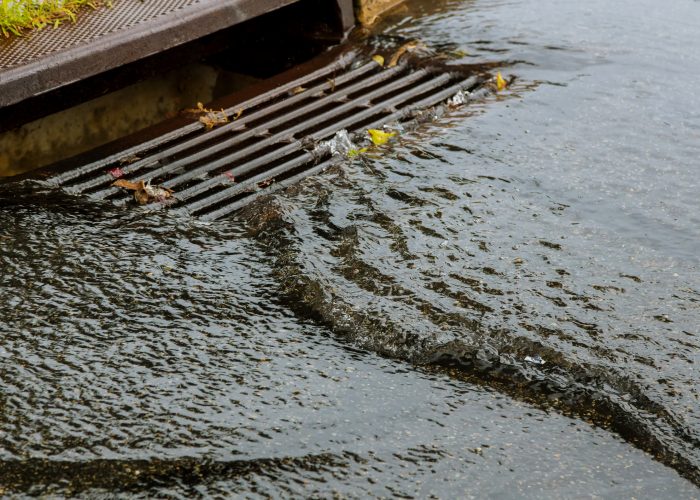
- Stormwater Management: Ensures rainwater is captured, directed, and treated properly. Communities rely on a combination of gray and green infrastructure to mitigate flooding, safeguard water quality, and prevent excessive inflow and infiltration from overwhelming wastewater systems.
Each area relies on strong data, thoughtful asset planning, and secure controls. As systems age, regular updates are crucial to maintain accurate measurements and ensure optimal performance.
Is it time to update water infrastructure in your town? Get a no-obligation facilities assessment today.
Municipal Water Treatment Process
Depending on the source, groundwater or surface water, treatment will vary greatly. Most systems utilize groundwater. Most groundwater require very little treatment other than disinfection. Surface water, however, requires several processes to remove impurities, improve clarity, and provide for adequate disinfection. Both sources require regulatory minimums to ensure public health and teams of certified and trained professionals provide the testing, monitoring, and maintenance needed to provide drinking water day in and out reliably.
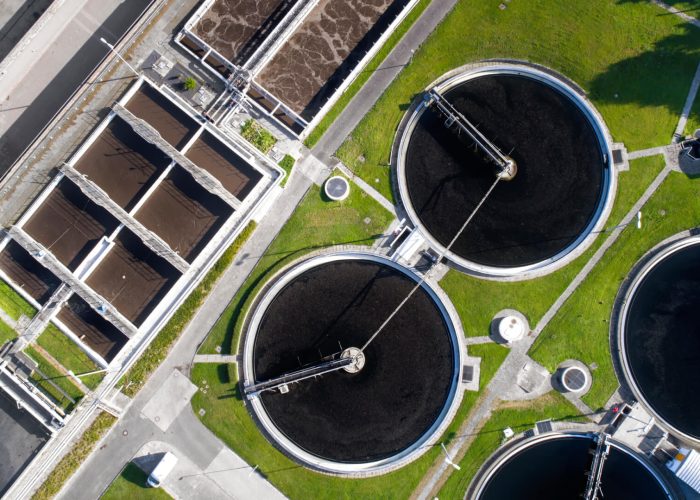
Wastewater Treatment Process and Standards
The Environmental Protection Agency (EPA) sets national standards to help communities protect public health and the environment. For water and wastewater systems, this includes basic expectations for how plants should treat water, how performance is measured, and how utilities report their results. These guidelines are set based on local conditions. Once again, several processes and a team of certified and trained professionals ensure that treated wastewater meets the EPA permit before it returns to the environment.
SCADA and Automation
Most modern water and wastewater facilities rely on SCADA systems (Supervisory Control and Data Acquisition). SCADA is a technology that enables operators to monitor equipment, view real-time data, and control pumps, valves, and other system components—often from a central computer or remotely. Because SCADA systems are connected to networks, keeping them secure is extremely important. Cybersecurity helps prevent unauthorized access, protects critical equipment, and reduces the risk of service disruptions.
Wastewater Treatment Projects
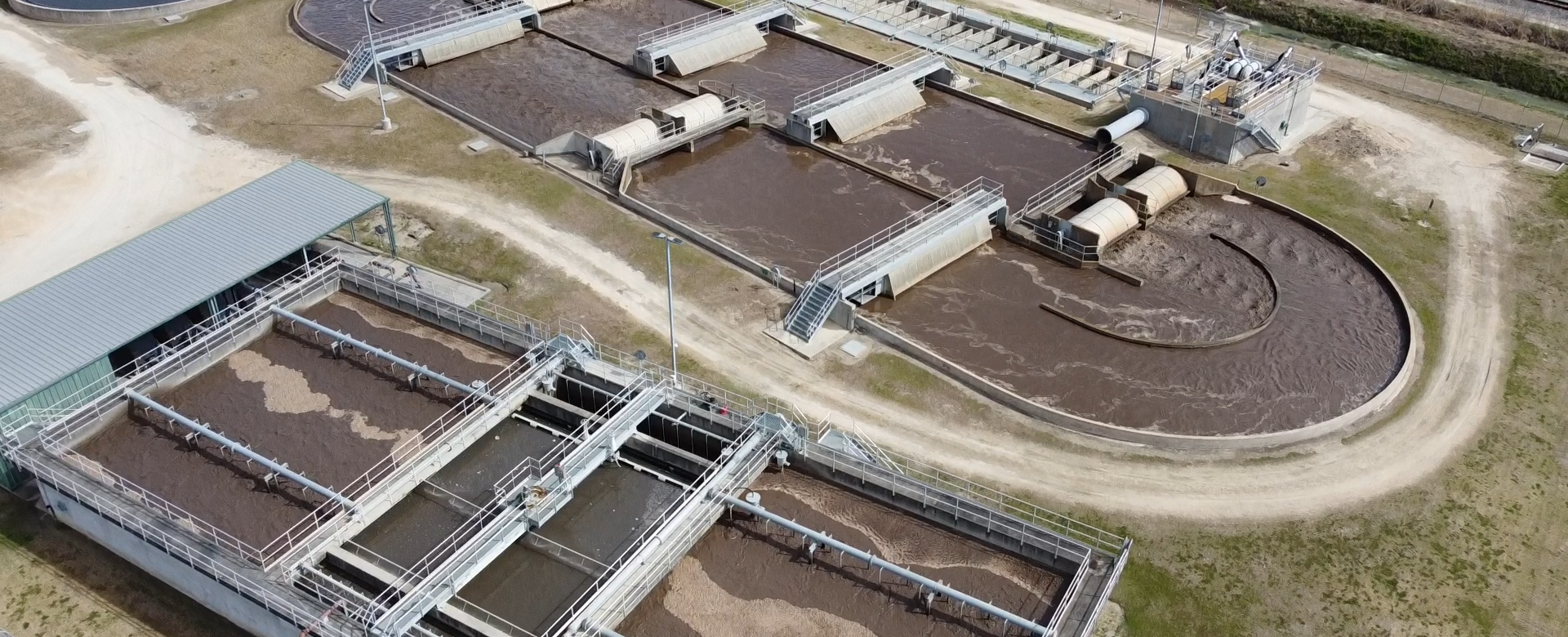
Successful wastewater treatment projects address both process performance and lifecycle cost. Typical scopes include headworks screening upgrades, aeration optimization, blower replacements, digester improvements, dewatering, and disinfection changes.
Delivering these scopes through a single accountable provider reduces coordination risk and keeps work aligned with permit deadlines. Performance Services’ design-build and performance contracting models provide a single point of accountability across design, construction, and guaranteed performance.
Project examples from Performance Services showcase AMI and utility modernization initiatives in cities such as City of Deer Park, City of Odessa, City of Beeville, and City of Hitchcock. Projects like these illustrate how utility-scale programs are organized and funded through energy savings performance contracts.
Water Meter Management
Accurate water meters are a fundamental part of a well-run utility. Over time, meters tend to slow down and lose accuracy, which can impact both system performance and revenue recovery. A planned meter update enables a community to replace aging equipment, enhance data quality, and mitigate operational issues.
Advanced metering infrastructure enables two-way communication between meters and utility systems, allowing for near real-time data collection, secure transmission, and actionable analytics. AMI enhances billing accuracy, facilitates customer portals, identifies leaks, and enables remote service capabilities.
Performance Services implements AMI networks as part of smart water projects and efforts towards developing a smart city. With performance-based funding approaches, cities can avoid upfront capital by paying for improvements through guaranteed savings and recovered revenues. This model helps communities modernize while strengthening transparency and day-to-day operations. For many communities, meter updates are a practical step toward maintaining a dependable and efficient water system while maintaining affordable rates. You should consider a water meter replacement if you are looking for:
- More accurate water usage data
- More accurate billing process
- Increased revenue
Smart Water Management
Smart water management integrates data from AMI systems, pressure management systems, leak detection systems, and SCADA controls to enable utilities to make more informed day-to-day and long-term decisions. This combined data helps operators manage system capacity, understand where demand is changing, and adjust storage or pressure zones as needed.
It also helps staff identify unusual water use, pressure issues, or equipment alarms so field crews can be assigned more efficiently. When planning capital projects, this information supports the selection of the right pipes, meters, or facilities to renew based on actual performance. It also strengthens emergency response by connecting alerts to established procedures and protocols.
Water Conservation Strategies
Water conservation is crucial for maintaining a reliable and sustainable water system. Reducing unnecessary water use helps communities limit stress on aging infrastructure, delay costly capacity upgrades, and maintain dependable service during dry periods or seasonal peaks. Effective conservation programs combine operational improvements, such as reducing real water losses and optimizing system performance, with tools that help customers understand and manage their own use. By pairing accurate metering, customer-facing data, and ongoing community outreach, utilities can strengthen both system efficiency and public trust.
Performance Services delivers AMI solutions and operational upgrades that provide communities with the information they need to manage their water more effectively.
Putting It Together: A Practical Path for Municipal Water Leaders
Municipal water management is successful when technology, funding, and accountability are aligned. Smart meters and AMI reduce non-revenue water and strengthen customer service. A single accountable delivery partner can bring these elements together and achieve measurable results over time.
If you would like to review specific options for your city or town, connect with our team to discuss water solutions and funding pathways.